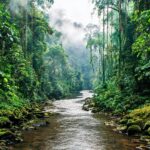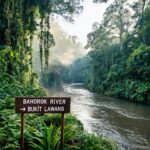
Location: Sampe Raya, Kec. Bohorok, Kabupaten Langkat, Sumatera Utara 20774, Indonesia

The Best Time to Visit Bukit Lawang for Maximum Wildlife Sightings
The best time to visit Bukit Lawang is a strategic decision balancing weather, wildlife behavior, and crowd levels in the world’s oldest tropical rainforest. This ancient ecosystem, estimated to be 65-70 million years old according to UNESCO, offers the most dramatic wildlife encounters when your travel dates align with nature’s calendar. We are here to help you navigate these choices with confidence.
Bukit Lawang sits at the gateway to the Gunung Leuser National Park, a UNESCO World Heritage Site that is one of the last places on Earth where you can see the critically endangered Sumatran orangutan in the wild. With approximately 5,000 of the remaining 6,600 Sumatran orangutans calling this park home, according to the IUCN, the chance of an encounter is high. However, the quality of that experience depends heavily on when you choose to visit.
Many travelers search for a single perfect month, but the reality involves tradeoffs between comfortable temperatures, trail conditions, wildlife activity, and personal budget. Understanding these dynamics is the key to planning a successful trip. Whether you are looking for an overnight jungle trek or a longer expedition, this guide will help you decode the jungle calendar. For a trusted partner in planning, consider Bukit Lawang Journey to explore their curated jungle trekking packages.
Dry Season vs Wet Season: How to Determine the Best Time to Visit Bukit Lawang for Your Trip
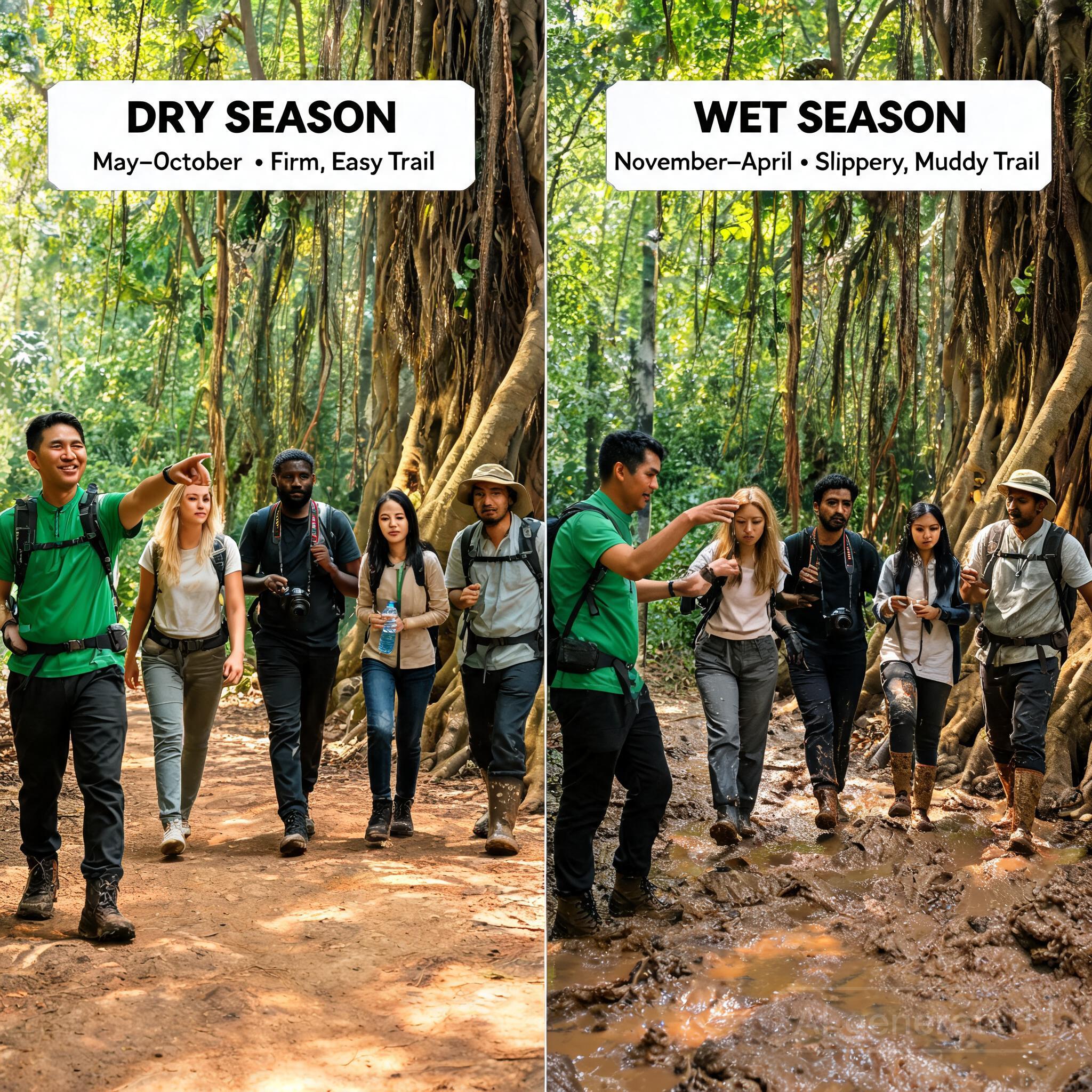
Understanding the rhythm of the dry and wet seasons is the first step in determining the best time to visit Bukit Lawang. The tropical climate here is remarkably consistent in temperature but varies significantly in rainfall. The average year-round temperature sits at a comfortable 26-27°C (79-81°F), making the heat manageable for trekking year-round. The hottest months tend to be April, May, and June, while humidity peaks during the wet season.
The primary season for trekking is the dry season, which runs from May through September. This period offers the most predictable weather, with less rainfall and more hours of bright sunshine. This is crucial because orangutans are significantly more visible on bright, sunny days when they travel through the canopy, searching for fruiting trees. Conversely, cloudy or rainy conditions cause them to hide in nests or high tree cover, making sightings less frequent.
The wet season spans October through April. Many international tourists avoid this period because they fear constant downpours. However, the reality is that rain typically falls only in the afternoon hours, often lasting just one hour. Morning trekking conditions are frequently dry and comfortable. Furthermore, the jungle transforms into a greener, more vibrant landscape during the wet season, with waterfalls and rivers at their most powerful. This creates a stunning backdrop for your adventure.
Why the Shoulder Months Offer the Best Compromise
The shoulder months of February-March and September-October offer a favorable balance according to experienced guides at Bukit Lawang Journey. During these periods, you can enjoy reduced crowd density on the trails, acceptable trail conditions that are not too muddy, and a reasonable probability of wildlife sightings. These months are often overlooked by travelers who fixate on the peak June-August window, yet they provide an excellent experience without the premium price tag.
Understanding the Impact of Afternoon Rain
One of the most common traveler pain points is arriving during the wet season with unrealistic expectations. The rain here is not like a European drizzle; it is a dramatic tropical downpour that cools the jungle and creates a fresh, clean scent in the air. It is essential to bring a quality waterproof jacket and quick-dry clothing. Guides are experts at navigating the trails in these conditions and often know where wildlife shelters, leading to unique sightings not possible on sunny days.
Month-by-Month Wildlife Calendar: The Best Time to Visit Bukit Lawang for Orangutan Sightings
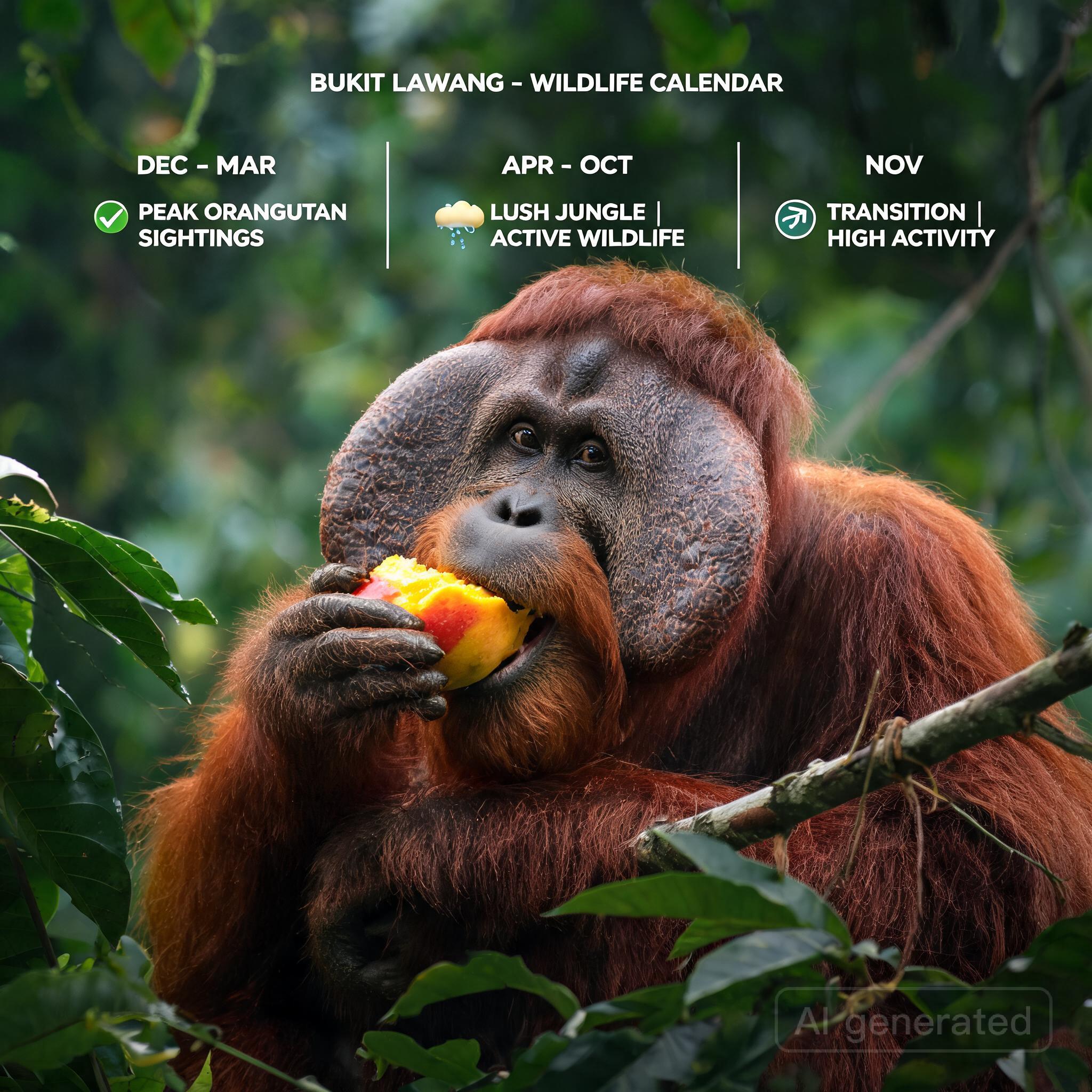
For many travelers, the single most important factor in choosing the best time to visit Bukit Lawang is the probability of seeing wild orangutans. While no guide can guarantee an encounter—a point that cannot be overstated—understanding their seasonal behavior dramatically increases your odds. The best time of day to observe them is between 9:00 AM and 5:00 PM, as they tend to “sleep in” until mid-morning before becoming active.
The primary driver of orangutan movement is fruit availability. According to research from the Gunung Leuser National Park authorities, their locations shift based on seasonal fruiting cycles within the park. This means that no single month is a “guarantee,” but certain months see higher concentrations of fruit, drawing orangutans closer to established trekking routes.
Multi-day treks (3D/2N or 4D/3N) dramatically increase your wildlife encounter probability compared to single-day treks. Guides have more time to locate active orangutan groups, read signs of recent activity, and position you at the right spot in the jungle. A single-day trek is a wonderful introduction, but a multi-day trek immerses you in the rhythm of the forest and maximizes your chances.
Peak Wildlife Months: June, July, and August
These are the busiest and most expensive months, but they also offer the highest consistency for wildlife viewing. The dry weather keeps orangutans moving through the canopy in search of food. Be prepared for trail congestion, as multiple trekking groups follow similar routes. This can diminish the feeling of solitary jungle immersion but does not reduce the thrill of a close encounter.
The Hidden Gem: February and March
These months fall within the wet season but offer a unique advantage: fewer tourists. With fewer groups on the trail, the jungle feels quieter, and the wildlife tends to be less skittish. Guides have more freedom to diverge from standard routes to follow animal signs. The rain usually only disrupts the afternoon, leaving mornings perfect for exploration. This is an excellent best time to visit Bukit Lawang for experienced travelers seeking solitude.
Understanding the “Secondary Spike” Periods
There is a secondary mini-spike in tourist numbers during the Easter and Christmas holiday periods. During these weeks, the park can become busy even if they technically fall in the wet season. If you are planning to travel during these international holidays, book your accommodation and trekking package well in advance. You can view options for these peak periods through the jungle trekking packages offered by Bukit Lawang Journey.
Weather, Trails, and River Conditions: How Climate Shapes the Best Time to Visit Bukit Lawang for Trekking

The quality of your trekking experience in Bukit Lawang is directly shaped by the current weather patterns. The best time to visit Bukit Lawang for comfortable trekking is undoubtedly during the dry season. Trails are firm, river crossings are manageable, and the risk of slipping on muddy slopes is greatly reduced. However, the wet season creates a different kind of adventure, with the jungle at its most lush and vibrant.
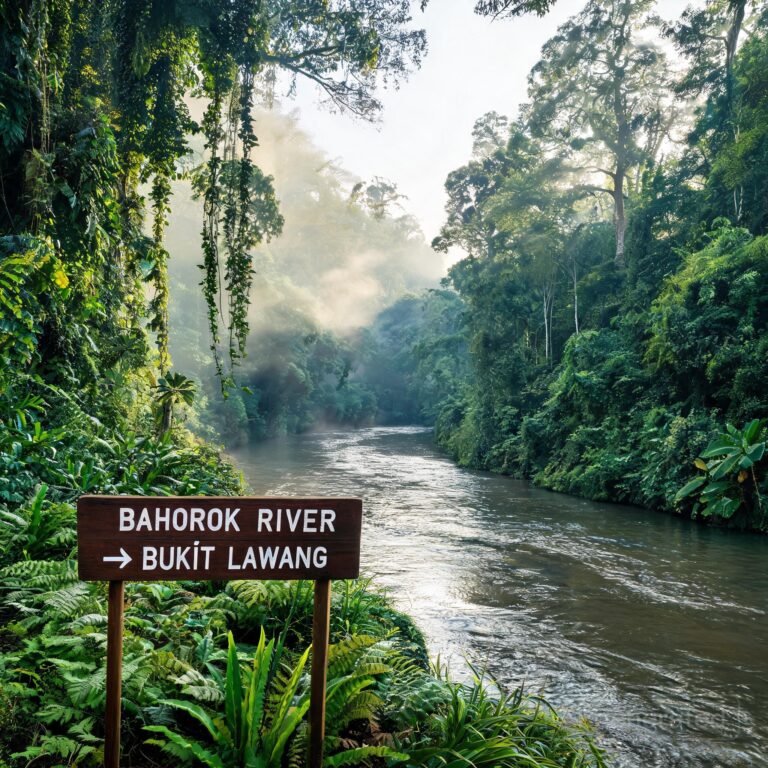
According to guides from Bukit Lawang Journey, the river conditions are a critical safety and enjoyment factor. During the wet season, the Bahorok River swells, making tubing and swimming a more thrilling experience. However, swollen rivers can also make crossings more challenging on certain trekking routes. Your guide will always prioritize safety, choosing alternative paths if necessary.
For photographers, the weather dictates the quality of light. The dry season offers bright, harsh sunlight that penetrates the canopy, creating high-contrast images. The wet season provides soft, diffused light from overcast skies, which is actually better for photographing orangutans because it reduces harsh shadows and brings out the rich red tones of their fur. This is a key consideration for wildlife photographers.
Trekking Gear Adjustments for Each Season
If you trek during the dry season, you will rely mostly on lightweight, breathable clothing, sun protection, and a hat. The biggest challenge is the humidity. If you trek during the wet season, you absolutely must have a waterproof cover for your backpack, a dry bag for electronics, and quality waterproof hiking boots with good grip. Your guide can provide bamboo walking sticks to help stabilize you on muddy sections.
How to Read the Daily Weather Pattern
Regardless of the season, mornings in Bukit Lawang are generally clear and cool. The jungle comes alive with the sounds of birds and insects. By midday, the humidity rises. In the wet season, clouds build up and typically release their moisture by mid-afternoon. By evening, the air clears again. This predictable pattern allows for effective planning: you hike in the morning and rest or do river activities in the afternoon if it rains.
Balancing Crowds, Budget, and Wildlife: Finding the Best Time to Visit Bukit Lawang for Every Travel Style

Every traveler has different priorities. The best time to visit Bukit Lawang for a budget backpacker is very different from the best time for a luxury-seeking wildlife photographer. Understanding your own travel style is essential before you book your flights. Below is a comparison table to help you visualize the trade-offs between cost, comfort, and experience.
| Travel Style | Best Month(s) | Duration | Key Advantage | Price Note |
|---|---|---|---|---|
| Budget Traveler | Feb-Mar / Oct-Nov | 3-4 days | Low season prices, fewer crowds | Lowest; packages often discounted |
| Wildlife Photographer | Jun-Aug | 4-5 days | Highest orangutan activity, sunny light | Highest; premium for peak season |
| Solo Backpacker | Sep-Oct | 2-3 days | Shoulder season balance, meet others | Moderate; good value hostels available |
| Family with Kids | Jul-Aug | 2 days | Dry trails, predictable weather | High; need private guide for safety |
| Adventure Seeker | Nov-Jan | 3 days | Raging rivers, intense jungle | Low; fewer tourists on challenging routes |
| Honeymoon/Relaxer | May-Jun | 3-4 days | Good weather, lower crowd density | Moderate; eco-lodges offer deals |
How to Book Smart for Your Budget
Budget-conscious travelers struggle to find affordable pricing during the peak dry season when demand drives up both accommodation and trek package costs across all operators. However, by booking your trek with a local operator like Bukit Lawang Journey during the shoulder months, you can often negotiate better rates for private treks. The key is to avoid the absolute peak of August.
Planning Your Itinerary Across North Sumatra
Many visitors combine Bukit Lawang with other North Sumatra destinations like Lake Toba or Berastagi. This can be challenging because the weather varies significantly between these locations. For example, the highland climate of Berastagi is cooler and rainier year-round than the lowland jungle of Bukit Lawang. The best strategy is to plan your Bukit Lawang trek first (targeting the dry season months) and then adjust your Lake Toba visit for the same period, as the weather there is generally stable year-round despite being different.
Why Multi-Day Treks Are a Non-Negotiable for Serious Wildlife Seekers
If your primary goal is to maximize wildlife sightings, a multi-day trek is essential. According to the research materials, multi-day treks (3D/2N or 4D/3N) dramatically increase wildlife encounter probability compared to single-day treks. Your guides have more time to listen to the forest, read animal tracks, and lead you to where the orangutans are feeding. It also allows for a deeper connection with the jungle that is impossible to achieve in a single day. For a truly ethical experience, read Endless Distances’ complete ethical guide to orangutan trekking in Bukit Lawang.
FAQ (Frequently Asked Questions)
What is the absolute best month to see orangutans in Bukit Lawang?
While no single month can guarantee a sighting, June and July are widely considered the best time to visit Bukit Lawang for wildlife. The dry weather keeps the orangutans active in the canopy, searching for fruiting trees. However, these are also the most crowded and expensive months. A very close second choice is February, which offers fewer tourists and still reasonable wildlife activity, albeit with a higher chance of afternoon rain.
Is Bukit Lawang worth visiting during the rainy season?
Absolutely. The best time to visit Bukit Lawang is not just about dry trails. The rainy season transforms the jungle into a lush, vibrant paradise. The rain typically falls only in the afternoon, leaving mornings perfect for trekking. You will also benefit from lower prices, fewer crowds, and the unique experience of seeing the jungle at its most alive. Just come prepared with proper rain gear.
How far in advance should I book my Bukit Lawang trek?
For peak season (June-August and holiday periods), booking 2-3 months in advance is highly recommended to secure your preferred accommodation and guide. For the shoulder and wet seasons, 2-4 weeks in advance is usually sufficient. However, for the best selection of guides and to ensure a private trek for your group, booking as early as possible with a trusted operator like Bukit Lawang Journey is always a good idea.
Conclusion

Choosing the best time to visit Bukit Lawang ultimately comes down to your personal priorities. If maximum wildlife sightings and the most comfortable trail conditions are your non-negotiable goals, aim for the dry season window of June through August, and be prepared for crowds and higher prices. If you value solitude, lower costs, and a more intimate jungle experience, the shoulder months of February-March or September-October will serve you better.
Remember that the jungle is a wild, living thing. It does not follow a strict calendar. The magic of Bukit Lawang lies in its unpredictability—the surprise of a hornbill flying overhead, the thrill of crossing a rain-swollen river, or the quiet moment when an orangutan looks you in the eye. No matter when you go, you will leave with memories that last a lifetime.
Ready to plan your adventure? Chat Admin: +62 819-3924-5808
⚠️ Content Transparency & Editorial
Artikel ini disusun menggunakan orkestrasi Multi-Model AI Generatif berdasarkan data riset pasar dan insight industri. Seluruh data, fakta, dan kerangka strategi di dalam artikel ini telah ditinjau, diedit, dan diverifikasi secara manual oleh Bukit Lawang Journey Team untuk memastikan keakuratan dan standar kualitas E-E-A-T Google.
BL
Bukit Lawang Journey Team
Local Jungle Guides & Eco Tour Operators in Bukit Lawang, Sumatra.