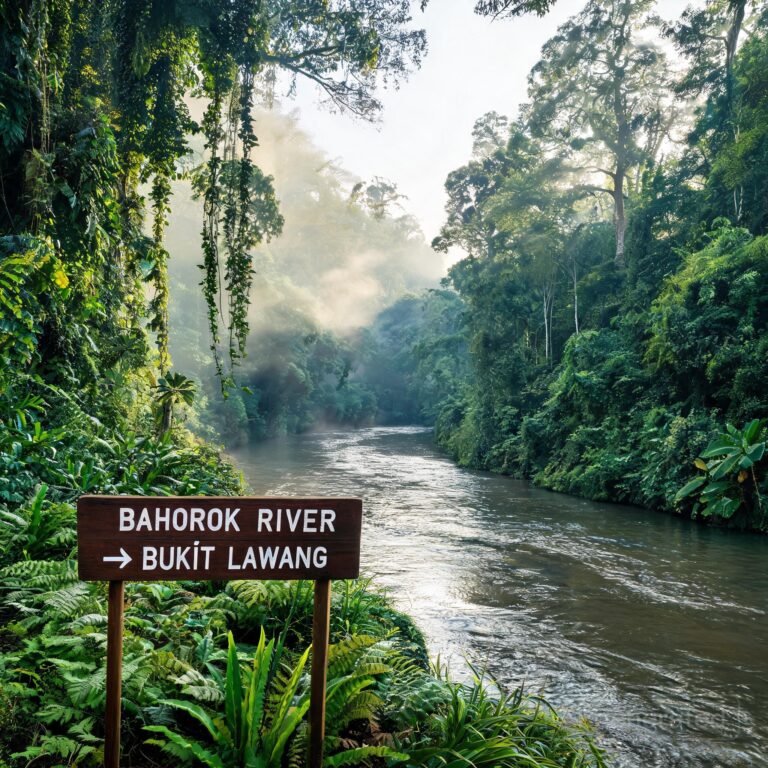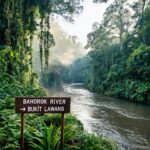
Location: Sampe Raya, Kec. Bohorok, Kabupaten Langkat, Sumatera Utara 20774, Indonesia
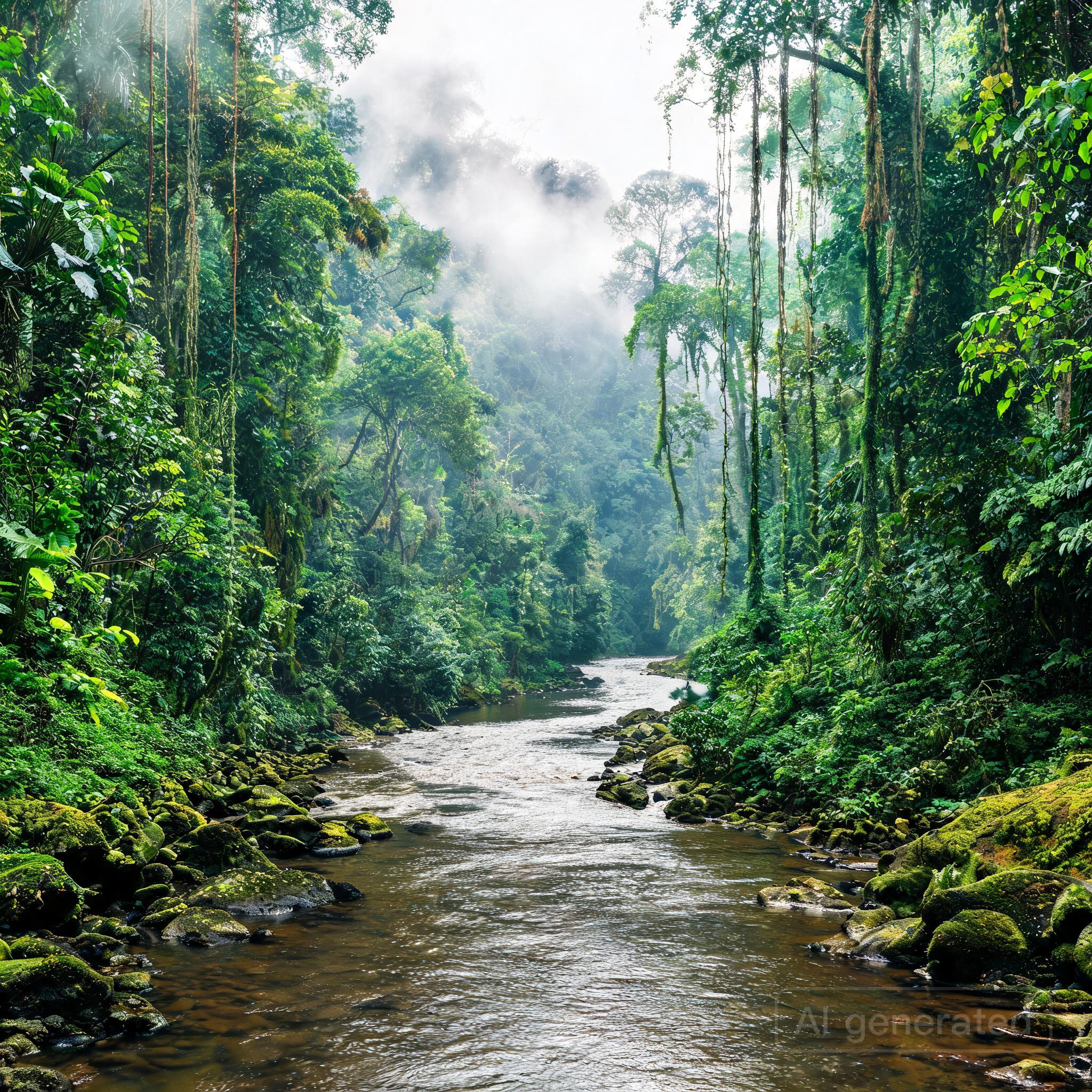
2-Day Bukit Lawang Jungle Trek: A Local Guide’s Complete Itinerary
A Bukit Lawang Jungle Trek is a two-day overnight expedition into the ancient rainforest of Gunung Leuser National Park, offering an immersive encounter with Sumatra’s legendary wildlife. This journey combines challenging daytime hikes through dense jungle with camping beside the Bohorok River, before concluding with a thrilling rubber tube ride back to the village. It is the quintessential adventure for international travelers seeking a genuine, hands-on wilderness experience in North Sumatra.
Having guided hundreds of visitors from around the globe through this remarkable ecosystem, I can tell you that this trek is far more than a simple walk in the woods. It’s a live exploration of a 65 to 70 million-year-old rainforest, a UNESCO World Heritage Site, and one of the last places on Earth where you can see Sumatran orangutans, Thomas leaf monkeys, and gibbons in their natural habitat. Our team at Bukit Lawang Journey takes pride in offering a trek that is both exhilarating and educational, ensuring you leave with a deep appreciation for this irreplaceable environment.
In this guide, I’ll walk you through everything you need to know to plan your own adventure. We will cover the detailed day-by-day itinerary, the best time to make the trip, how to pack properly, and most importantly, how to choose an ethical guide who respects the wildlife and local community. Whether you are a seasoned hiker or a nature-loving first-timer, this comprehensive resource, built on years of local experience, will help you make the most of your Bukit Lawang Jungle Trek. If you’re looking for an experienced orangutan trekking guide, we are here to help.
What to Expect on a 2-Day Bukit Lawang Jungle Trek: A Local Guide’s Complete Day-by-Day Itinerary
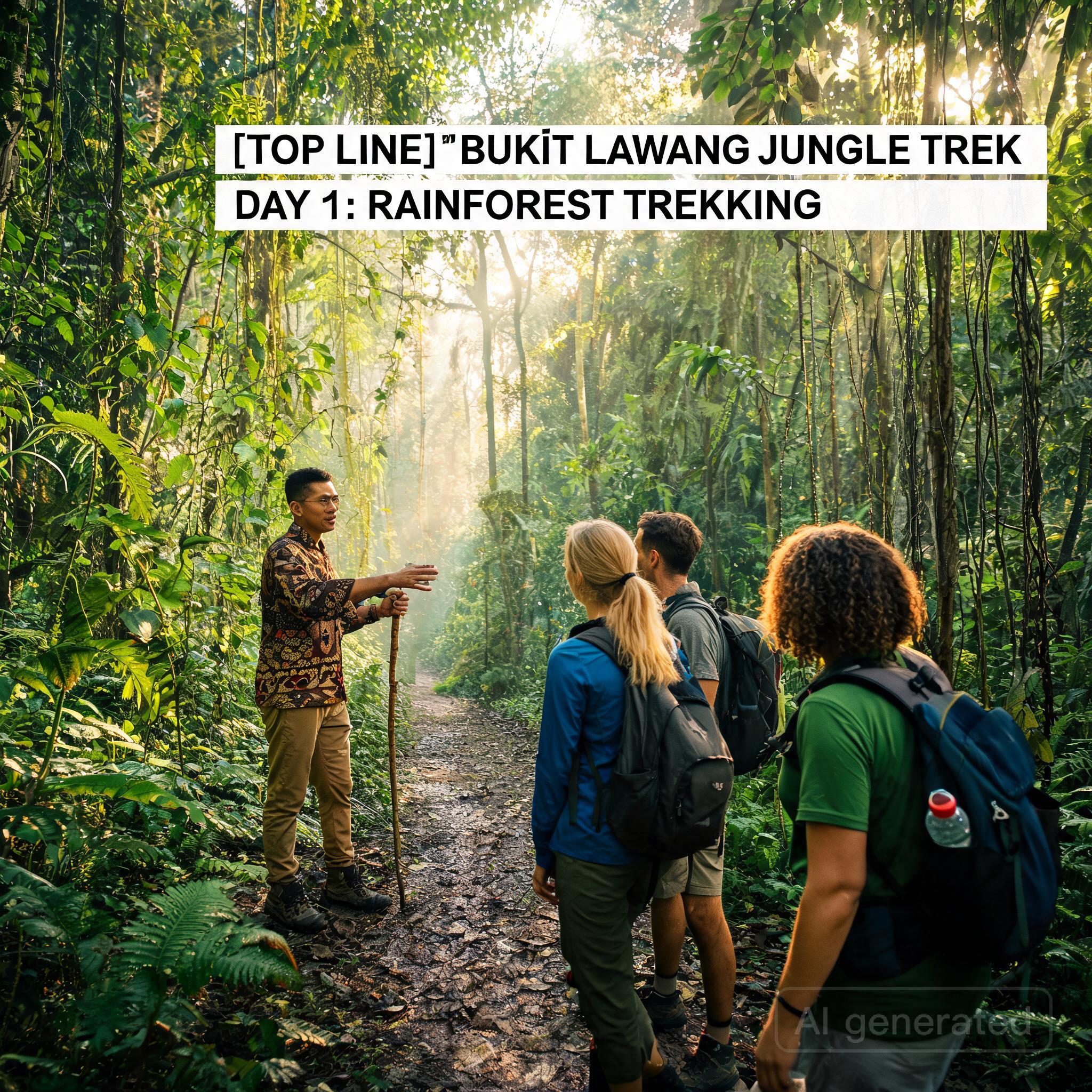
The standard 2-day, 1-night adventure is the most popular format for a reason—it perfectly balances the thrill of deep-jungle exploration with the logistical comfort of a manageable time commitment. You are not just a passive observer; you become a temporary inhabitant of the jungle, cooking, sleeping, and moving through a landscape that feels both primeval and vibrantly alive. According to the local Guide Association (ITGA), all treks must be led by certified professionals who ensure your safety and ecological responsibility. Here is exactly how your journey will unfold.
Day 1: The Deep Dive – From Village to River Camp
Your day typically begins at 8:30 AM from the village of Bukit Lawang. After a final check of your gear and a safety briefing, you will cross the Bohorok River and enter the national park. The initial 6 to 8 hours of hiking are the heart of the first day. The trail is not a manicured path; it is a living, breathing track that can be muddy, steep, and requires crossing small streams. Your guide will clear the way with a machete, point out medicinal plants, and listen for the calls of orangutans. This is where you earn your wildlife sightings.
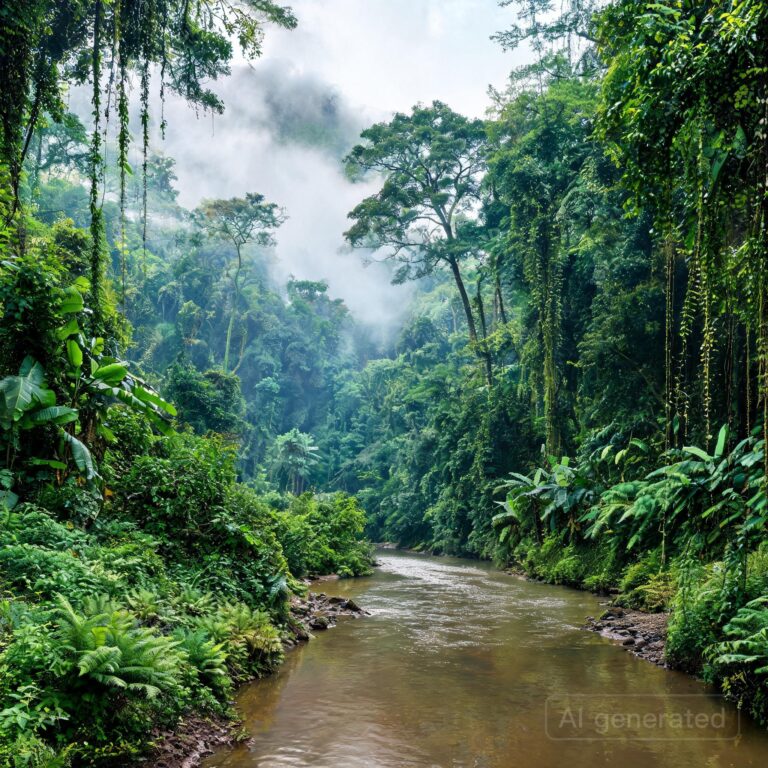
As you trek deeper, the sounds of the village fade, replaced by the symphony of the jungle: cicadas, bird calls, and the rustling of leaves in the high canopy. You’ll stop for a packed lunch by the river, a welcome rest before the afternoon push. The goal is to reach the designated camping area by late afternoon. These campsites are simple clearings by the river, equipped with a basic bamboo shelter and a fire pit. Your guides will have already prepared the site, and as daylight fades, they will begin cooking a traditional Indonesian dinner over an open fire. After a dinner of nasi goreng, fried tempeh, and vegetables, you’ll sit by the fire, listen to the night sounds, and fall asleep to the gurgle of the river.
Camping in Bukit Lawang: What the Night is Really Like
Let’s be honest about the sleeping conditions. You will be sleeping on a thin mattress under a mosquito net in a simple tent or a basic open-sided shelter. There are no flushing toilets or hot showers. Your bathroom is the jungle and the river, a few meters from the camp. This is a core part of the wilderness experience. While it may be basic, the experience of waking up at dawn to the sound of gibbons calling through the mist is worth the temporary discomfort. We advise bringing a lightweight sleeping bag liner for extra comfort and hygiene. This is the authentic camping in Bukit Lawang experience, connecting you directly to the environment.
Day 2: Jungle Wake-Up and the Jungle Taxi
The morning starts early, often around 6:00 AM. Your guides will have coffee and a simple breakfast ready. Pack up your camp and prepare for the final 2 to 3 hours of hiking. This morning trek is often cooler and more active for wildlife, as animals begin their daily search for food. This is your last chance to spot a sun bear or a flock of hornbills. By late morning, you will reach a point on the river where the final adventure begins: the “Jungle Taxi.” You will sit in a large rubber inner tube and float down the Bohorok River’s gentle rapids back to the village. This is a fun, wet, and exhilarating way to end your trek, offering a unique perspective of the forest from the water. You typically arrive back in Bukit Lawang by lunchtime.
Best Time to Book Your Bukit Lawang Jungle Trek: Weather, Wildlife Seasons, and Crowd Avoidance Tips
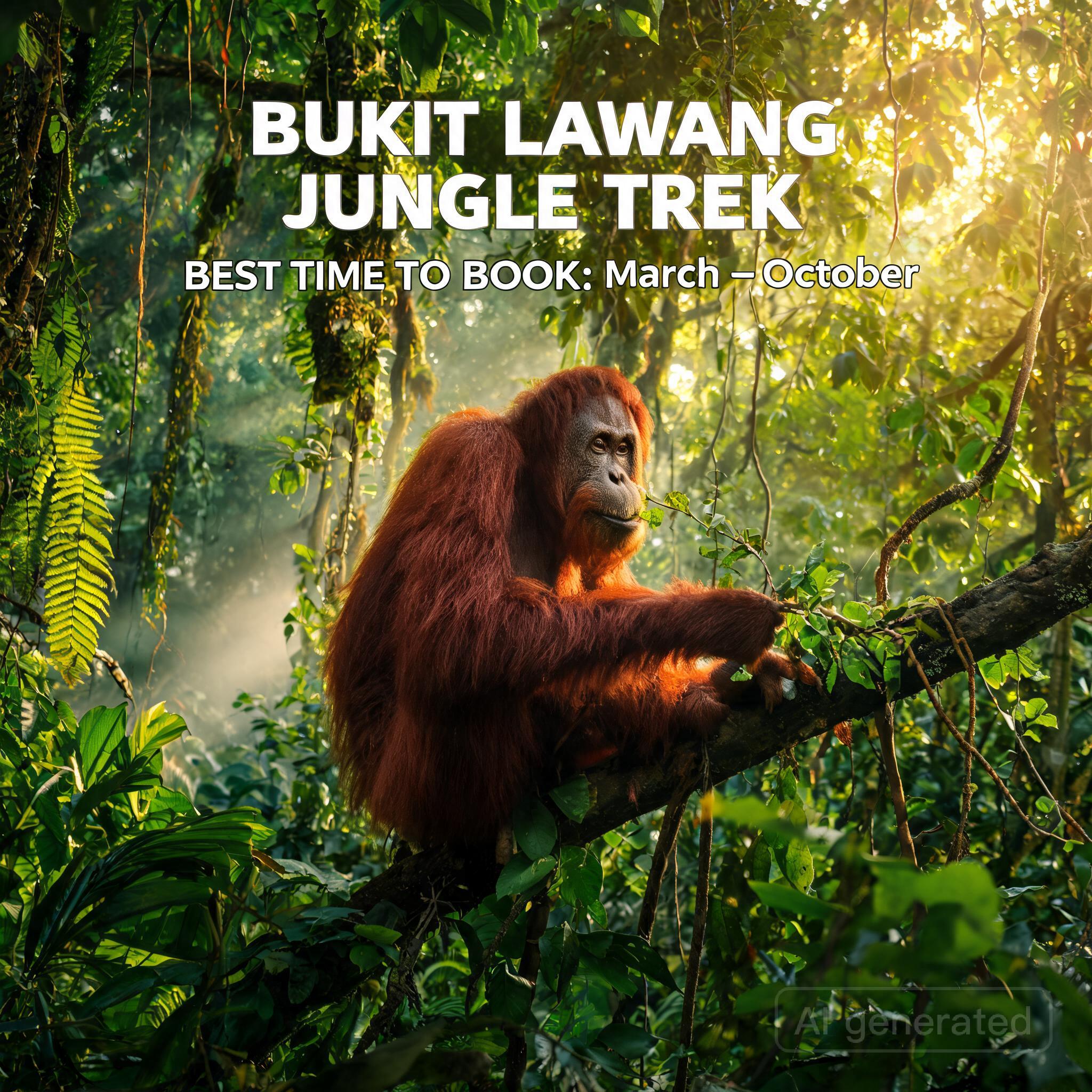
Timing your rainforest hike correctly can significantly impact your experience. While Sumatra is tropical and can have rain any day of the year, there are distinct seasons that affect trail conditions, wildlife visibility, and crowd levels. Understanding these patterns will help you choose the perfect window for your adventure.
The Dry Season Advantage (Typically May to September)
The most popular time for international tourists is during the drier months. Trails are significantly less muddy and slippery, making the 6-8 hour hike on Day 1 more manageable. River levels are lower, which makes tubing safer and more comfortable. Wildlife, especially orangutans, tend to be more active and visible as they come down from the canopy to find food in fruiting trees, which are more abundant. However, this is also the busiest period. You will share the trails with more travelers, and accommodations in Bukit Lawang can be fully booked. If you prefer quieter trails, consider the shoulder months of May or September.
The Wet Season Experience (Typically October to April)
Traveling during the wetter months requires a bit more grit but offers unique rewards. The jungle is at its lushest, and the rainforest feels more dramatic and alive. The crowds are thinner, which often leads to more intimate wildlife encounters. The primary challenge is the mud, which can be deep and exhausting. You must be prepared for wet conditions. However, the river is fuller, and the tubing ride can be faster and more exciting. Just keep in mind that heavy rain can sometimes cause trail closures or make river conditions dangerous, so flexibility is key. According to local guides, the wildlife viewing, especially for bird species, can be exceptional during this season.
When to See Orangutans and Other Primates
There is no single “guaranteed” month for orangutan sightings, as they are wild animals. However, there are periods of higher fruit availability, which draws them closer to the more established trekking routes near Bukit Lawang. The months between June and August often see a peak in sightings. The gibbon’s morning call is a sound you are likely to hear any day of the year, especially at dawn. For those specifically interested in Thomas leaf monkeys and long-tailed macaques, they are commonly seen year-round. A good jungle guide knows the fruiting tree cycles and will take you to the best areas. No operator can promise 100% sightings, but an experienced guide significantly increases your odds.
Packing List and Physical Preparation for a 2-Day Bukit Lawang Jungle Trek in Sumatra’s Rainforest
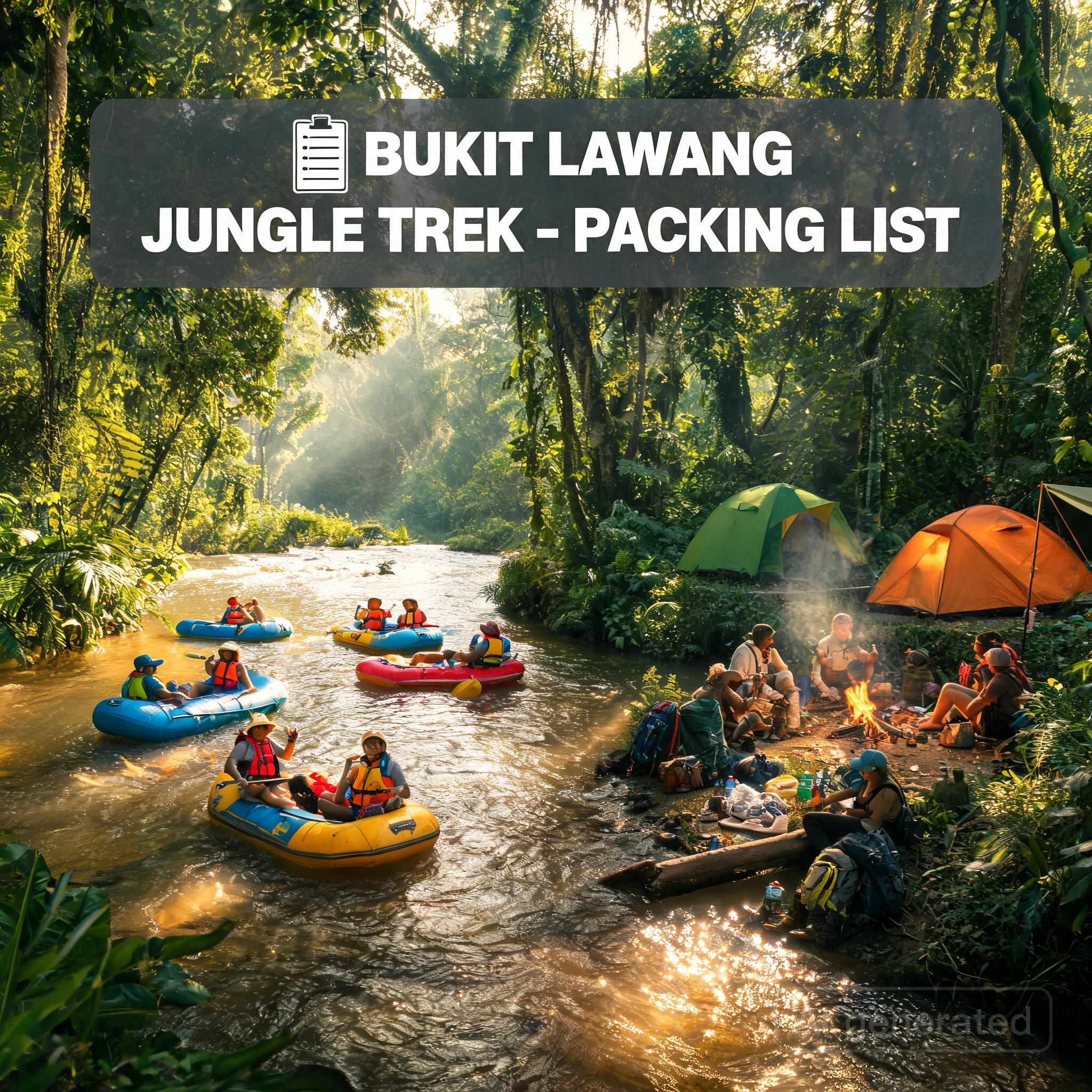
Being physically and logistically prepared is the key to enjoying your overnight expedition. The number one mistake travelers make is underestimating the humidity and terrain. You will be in a 65-70 million-year-old rainforest, and the trail is rugged. Packing the right gear will make the difference between a struggle and a triumph. We provide a detailed packing list to all our guests, but here are the essential items you should not forget.
Your Daypack Essentials: What to Carry
You will need a sturdy, comfortable daypack. Do not bring a large suitcase or a heavy duffel bag for the jungle. A 30-40 liter backpack is ideal. Inside, you must have a waterproof bag or dry sack for your clothes and electronics, as rain and river crossings are guaranteed. A reusable water bottle (at least 1.5 liters) is crucial; we provide filtered water for refills. Quick-dry clothing is your best friend—avoid cotton, as it stays wet and can cause chafing. A good headlamp or flashlight is non-negotiable for navigating the camp at night and for early morning hikes. Finally, bring a small personal first-aid kit with blister plasters, antiseptic wipes, and any personal medications.
Footwear and Clothing: The Make-or-Break Choices
Your footwear will determine your entire experience. Do not wear new boots. Break them in for weeks beforehand. I highly recommend sturdy, closed-toe hiking shoes with good ankle support and deep treads for mud. Some trekkers prefer lightweight hiking sandals with good straps, but these offer less protection against roots and leeches. For clothing, bring long, light-colored, quick-dry pants. These protect you from sun, leeches, and insect bites. A long-sleeved shirt of the same material is also wise. A lightweight rain jacket is essential, even in the dry season. You will be grateful for it during sudden downpours or when tubing. For sleeping, pack a lightweight sleeping bag liner or a travel sheet to put between you and the camp mattress.
Physical Fitness: Can You Handle It?
This trek is not a walk in the park. It is a physically demanding hike through steep, uneven, and often slippery terrain for several hours. You will be climbing hills and crossing streams. If you have a sedentary lifestyle, we strongly recommend starting a basic cardio and leg-strengthening routine at least one month before your trip. Walking on an incline or doing stair climbs is excellent preparation. The humidity is a major factor; it saps your energy quickly. A person of average fitness will find the first day challenging but rewarding. The second day is much shorter and easier. The key is to pace yourself, drink plenty of water, and trust your guide’s pace. If you have any physical limitations, discuss them with your tour operator beforehand so they can choose an appropriate route for you.
Ethical Wildlife Viewing on Your Bukit Lawang Jungle Trek: Rules, Best Practices, and How to Choose a Responsible Guide
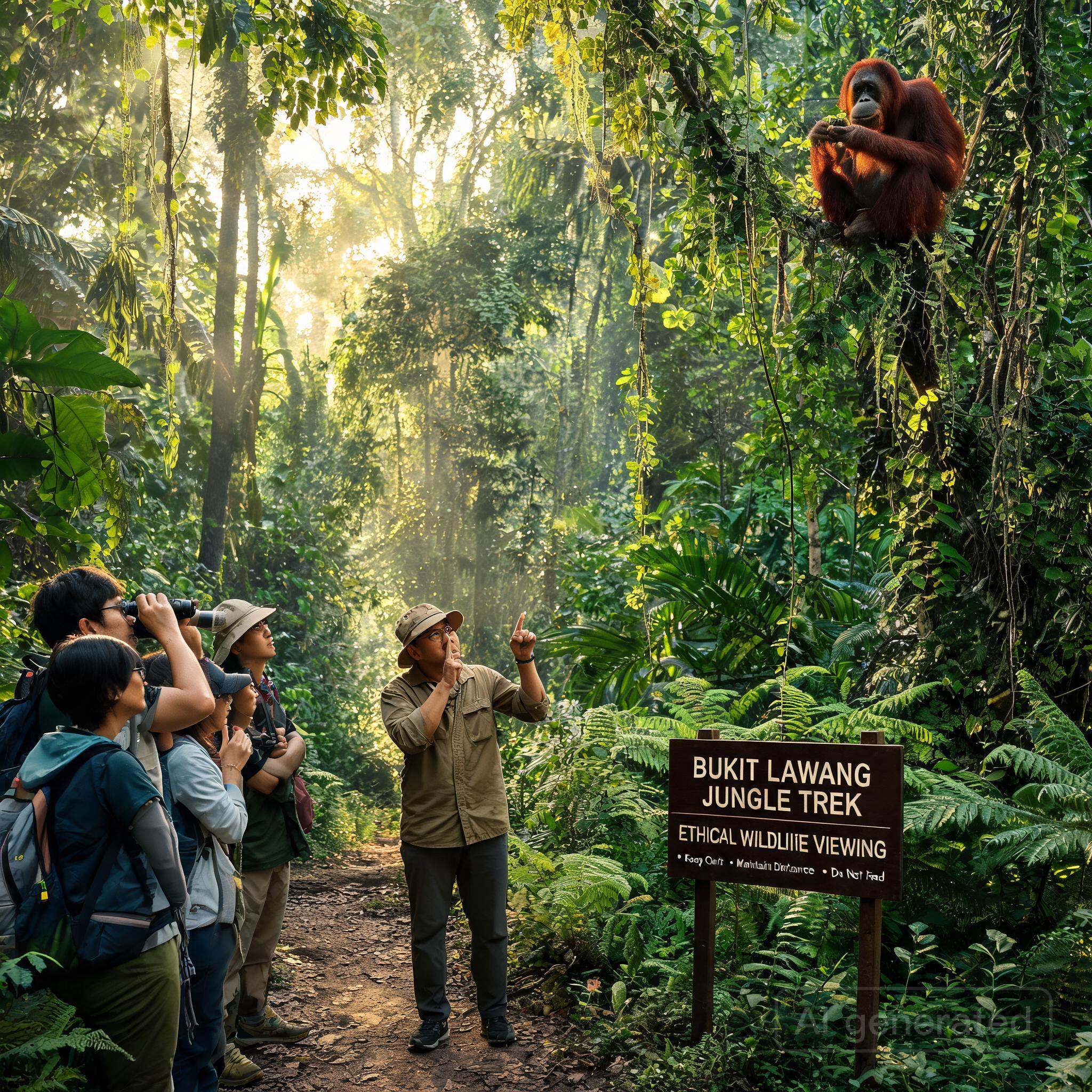
Eco-tourism is the primary economic driver for Bukit Lawang village, supporting roughly 400 households. The way you choose to trek directly impacts the future of this rainforest and its magnificent inhabitants. Choosing an ethical operator is not just a feel-good decision; it is a necessary one for conservation. International tourists often struggle to distinguish genuinely responsible operators from those who use misleading eco-friendly marketing. Here is a practical guide to making the right choice. For more options, you can view our jungle trekking packages that are designed with these principles in mind.
The 7 Rules of Ethical Wildlife Viewing in Gunung Leuser
When you encounter wildlife on your trek, it is a privilege, not a right. Your guide should enforce these strict rules, and you should follow them without question. First, maintain a distance of at least 10 meters from all animals, especially orangutans. Second, never feed the wildlife; human food makes them sick and dependent. Third, do not make loud noises or sudden movements that could stress the animals. Fourth, avoid direct eye contact with primates, as it can be perceived as a threat. Fifth, if an animal shows signs of stress (like “grunting” or “staring”), you must slowly move away. Sixth, do not use flash photography, as it can startle and temporarily blind animals. Seventh, stay on the established trail and never block an animal’s path. These simple rules protect both you and the wildlife.
How to Choose a Truly Responsible Guide and Operator
Not all guides are created equal. Look for operators who are members of the local Guide Association (ITGA). Ask direct questions: “Do you feed the orangutans?” The correct answer is a firm “No.” “What is your policy on garbage?” A responsible operator carries out all waste, including biodegradable food scraps. “Do you provide your guides with fair wages and training?” A reputable company will be happy to discuss their employment practices. A great guide is a naturalist, a storyteller, and a protector of the forest. They should speak good English and have deep ecological knowledge. If you are looking for a vetted, high-quality experience, consider booking through Responsible Travel’s vetted Sumatra small group vacations including Bukit Lawang jungle trekking, which pre-screens operators for sustainability and ethics.
Understanding the True Cost of a 2-Day Trek
Price opacity between locally booked treks and international agency markups is a common source of confusion. A standard 2-day trek booked directly in Bukit Lawang typically ranges from EUR 80 to EUR 120 per person. This price includes a certified guide, food, accommodation (camping), park entry fees, and the tubing ride. When you see multi-day Sumatra itineraries from international companies priced between USD 1,274 and USD 1,730 for a 10-day trip, this often includes the same trek but bundled with transport, accommodation, and other activities. The higher price reflects convenience, not necessarily a “better” jungle experience. Our advice is to compare what is included in the package. A good local company offers the best value for the trek itself, with the profits staying within the local community.
FAQ (Frequently Asked Questions)
What should I wear for a 2-day Bukit Lawang Jungle Trek?
You should wear long, lightweight, quick-drying pants and a long-sleeved shirt to protect from sun, insects, and leeches. Sturdy, broken-in hiking shoes with good grip are essential. Avoid cotton, as it stays wet. Always pack a rain jacket, even in the dry season.
Is it guaranteed to see orangutans on a 2-day trek?
No operator can guarantee 100% sightings as these are wild animals. However, the area near Bukit Lawang has a high density of semi-wild rehabilitated orangutans, and experienced guides know the best routes. Your chances are excellent, especially during a 2-day trek, but the experience is ultimately dependent on nature.
How physically fit do I need to be for the overnight jungle trek?
You need a reasonable level of fitness. The first day involves 6-8 hours of hiking over steep, uneven, and muddy terrain in high humidity. If you are not used to regular exercise, we recommend a preparation routine with walking and stair climbing. The second day is much shorter (2-3 hours).
What about food and dietary restrictions for the camping portion?
Your guides prepare all meals over an open fire. Standard meals include rice, noodles, vegetables, and eggs or tempeh. It is crucial to inform your operator in advance about any allergies, or dietary restrictions (vegetarian, vegan, gluten-free). They can adapt the menu, but options are limited compared to a restaurant.
Conclusion
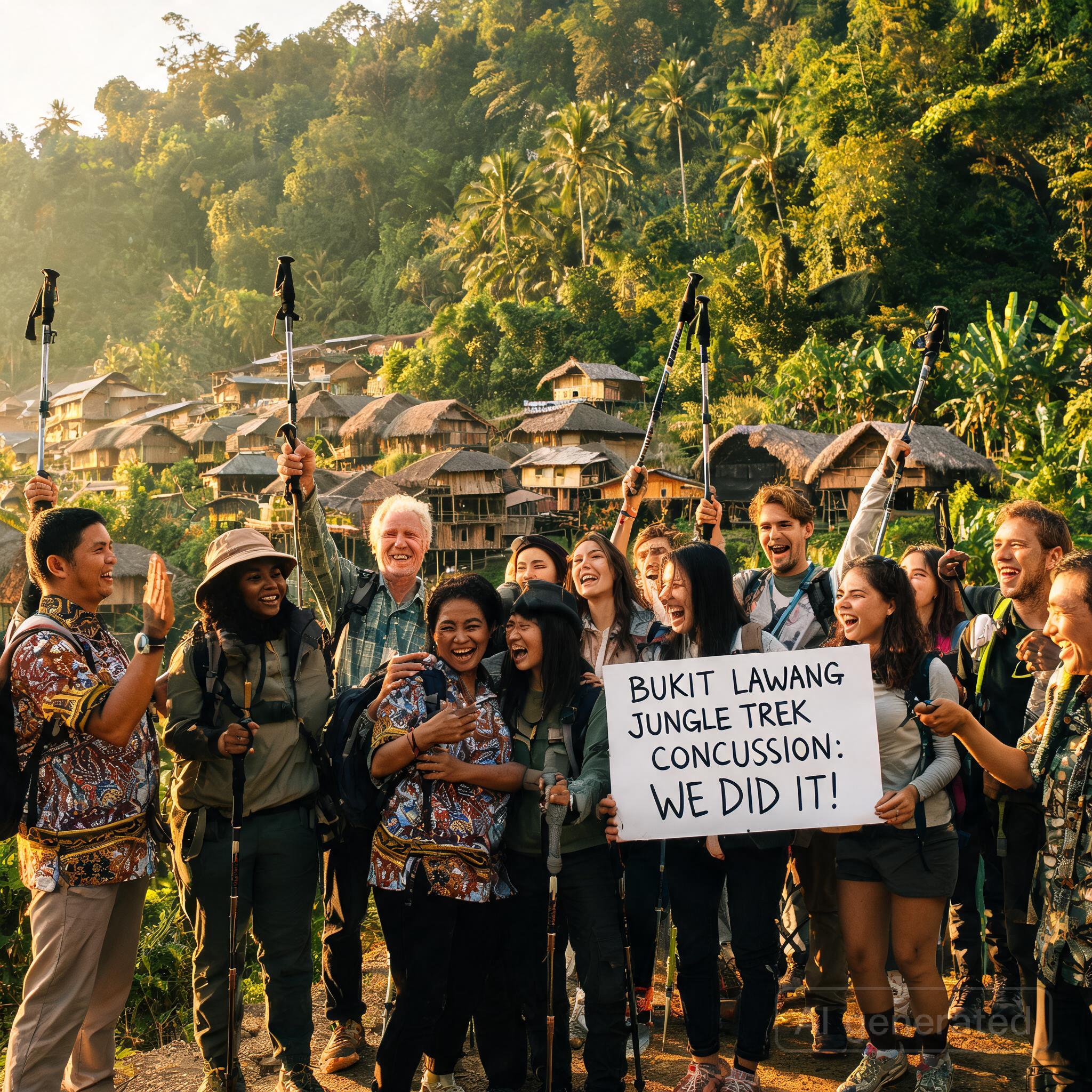
The 2-day Bukit Lawang Jungle Trek offers an extraordinary window into one of the world’s most ancient and biodiverse rainforests. It is an experience that challenges you physically, rewards you with incredible wildlife encounters, and connects you to a community that depends on the forest’s survival. By choosing a responsible operator, preparing properly, and respecting the natural world, you are not just a tourist; you become a participant in a vital conservation effort. The memories of sleeping by the river, hearing the gibbons call at dawn, and spotting a wild orangutan in its natural home will stay with you forever. This is more than a trek; it is a journey into the heart of Sumatra’s wild soul. Book your adventure today and let the jungle transform you. For any questions or to book your trip, please Chat Admin: +62 819-3924-5808.
#BukitLawang, #JungleTrekking, #OrangutanTour
⚠️ Content Transparency & Editorial
Artikel ini disusun menggunakan orkestrasi Multi-Model AI Generatif berdasarkan data riset pasar dan insight industri. Seluruh data, fakta, dan kerangka strategi di dalam artikel ini telah ditinjau, diedit, dan diverifikasi secara manual oleh Bukit Lawang Journey Team untuk memastikan keakuratan dan standar kualitas E-E-A-T Google.
BL
Bukit Lawang Journey Team
Local Jungle Guides & Eco Tour Operators in Bukit Lawang, Sumatra.